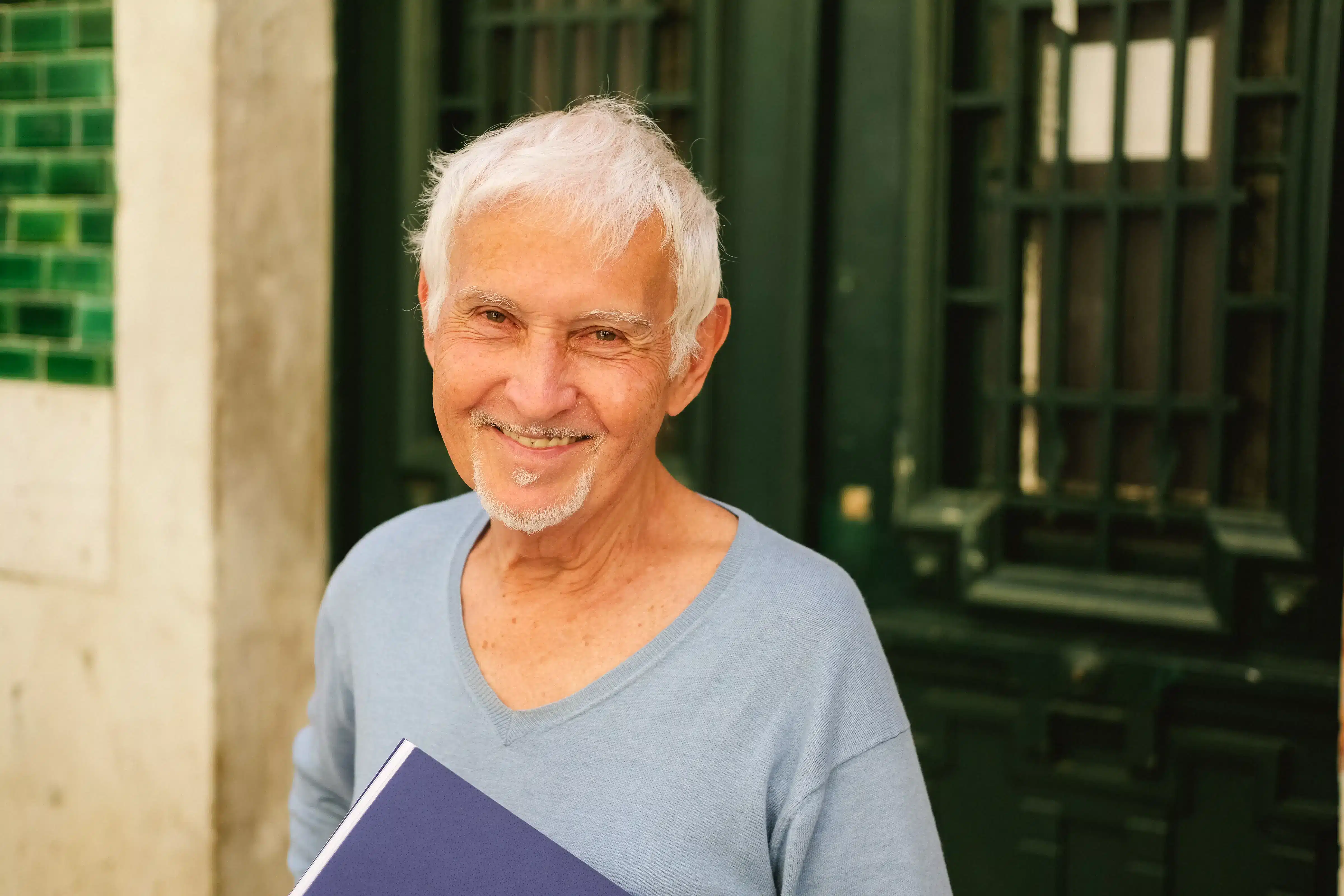
Raphaël de Gubernatis, critic, former contributor to Le Nouvel Observateur and Le Causeur
Raphaël de Gubernatis has spent more than four decades writing about the performing arts – dance, opera and musical theatre – for publications such as Le Nouvel Observateur and Le Causeur. When he talks about what he looks for in a singer, he doesn’t start with the voice. He starts with the body.
“What interests me most in the end is not just the voices, but a singer’s attitude, their theatrical performance”, he says. “I’m also here to see how the newcomers perform on stage, how they already express their emotions as artists. Being a good actor alongside one’s work as a singer strikes me as very important”.
What sets them apart from one another
In a competition where time is short and each singer has just a few minutes to make an impression, Raphaël De Gubernatis pinpointed exactly what makes the difference. “Apart from the voice, it’s the quality of their stage presence. And that shows in the quality of their gestures, their authenticity, the sincerity of their gestures. In their face, in their eyes”.
And he adds something that brooks no interpretation: “A voice without a theatrical presence doesn’t interest me”. It is not an aesthetic preference – it is a conviction about what opera is and should be. “You can tell immediately whether someone can be a genuine stage presence or whether they will merely be a voice”. The distinction, he says, is apparent from the very first moment.
Cascais Opera as a model
What captivates him about Cascais Ópera is something specific: the collaborative work. The Semi-Finalists’ Concert – in which twelve singers who barely knew one another prepared a Mozart programme together – struck him as exemplary. “It really captivated me because it was already a collaborative effort”.
Above all, he values the fact that the competition is not a harsh elimination process. “It’s not such a harsh way of eliminating those who didn’t win the top prizes. It’s about respecting their work too and giving them renewed strength to continue their work in the theatre”. A competition that recognises that the journey is longer than the outcome of a single afternoon.