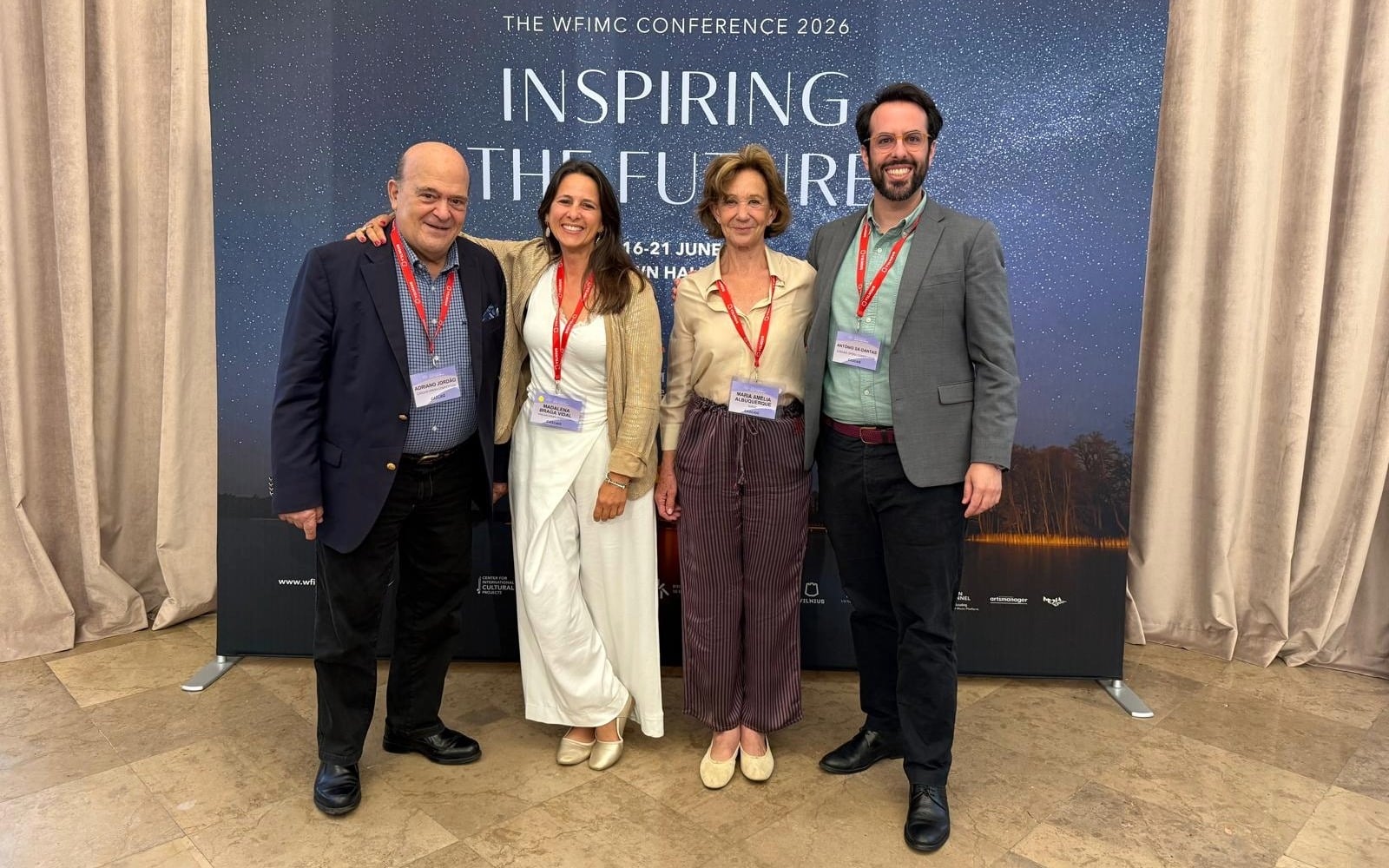
Cascais Opera made its debut as a member of the World Federation of International Music Competitions (WFIMC)during the Federation’s 2026 Conference, held in Vilnius, Lithuania, from 16 to 21 June. The event brought together representatives of international music competitions, cultural institutions, artistic partners and prize-winning young musicians from around the world.
Organised by the WFIMC in partnership with the Centre for International Cultural Projects, the conference was structured around two complementary components: the International Forum “Inspiring the Future” and the Federation’s General Assembly. For the first time, the Arts Council Korea (ARKO) played a particularly significant role, not only as an institutional partner but also as an active supporter of the next generation of musicians and cultural professionals. As part of this collaboration, ARKO awarded scholarships to young artists, laureates of international competitions and postgraduate students, enabling them to participate in the Forum. Among the recipients was Constança Melo, a participant in the 2024 and 2026 editions of Cascais Opera.
The Forum focused on three key themes—creative programming, audience development and innovative performance formats—addressing the challenges and opportunities facing the performing arts in the twenty-first century. It fostered a dynamic dialogue between tradition and innovation, bringing together artists, cultural professionals and representatives of WFIMC member competitions.
Over three days, the Cascais Opera team attended conferences, workshops and presentations exploring topics such as the rediscovery of overlooked women composers, the creation of innovative performance formats and the development of a sustainable digital presence for artists. Internationally renowned speakers from the fields of music, cultural management and arts communication contributed to a broad discussion on the future of the sector.
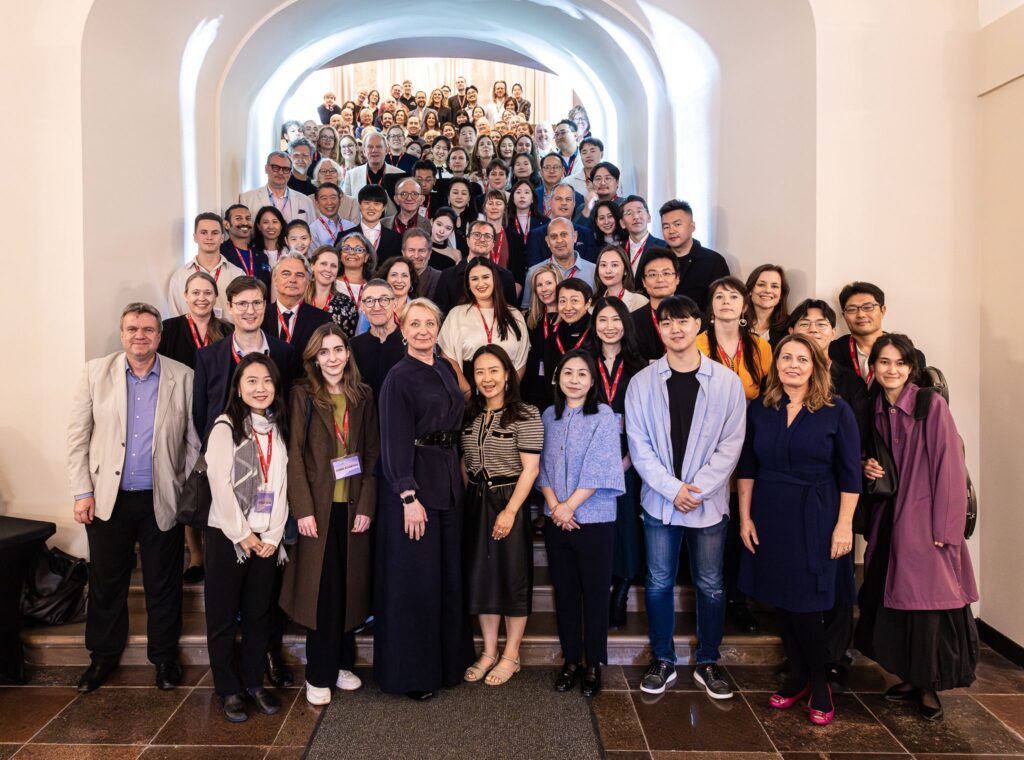
The WFIMC General Assembly, which followed the Forum, focused on issues directly affecting international music competitions. Discussions addressed a range of topics reflecting the growing commitment of the international competition community to adapting competitions to contemporary challenges while preserving the highest artistic standards.
Alongside the working sessions, the conference featured an extensive artistic and cultural programme. Participants attended concerts in some of Vilnius’ most iconic venues, including Vilnius City Hall, the Lithuanian National Philharmonic Society and the historic Užutrakis Manor. The programme also included cultural visits to Trakai and Kaunas, offering delegates the opportunity to experience Lithuania’s rich historical and artistic heritage.
In an international context shaped by rapid technological change and the need to rethink models of cultural participation, the WFIMC Conference 2026 stood out as an important platform for knowledge exchange, professional networking and the development of new perspectives for the next generation of musicians and cultural institutions.