Alexandra Maurício, Co-founder and Managing Director of Cascais Ópera
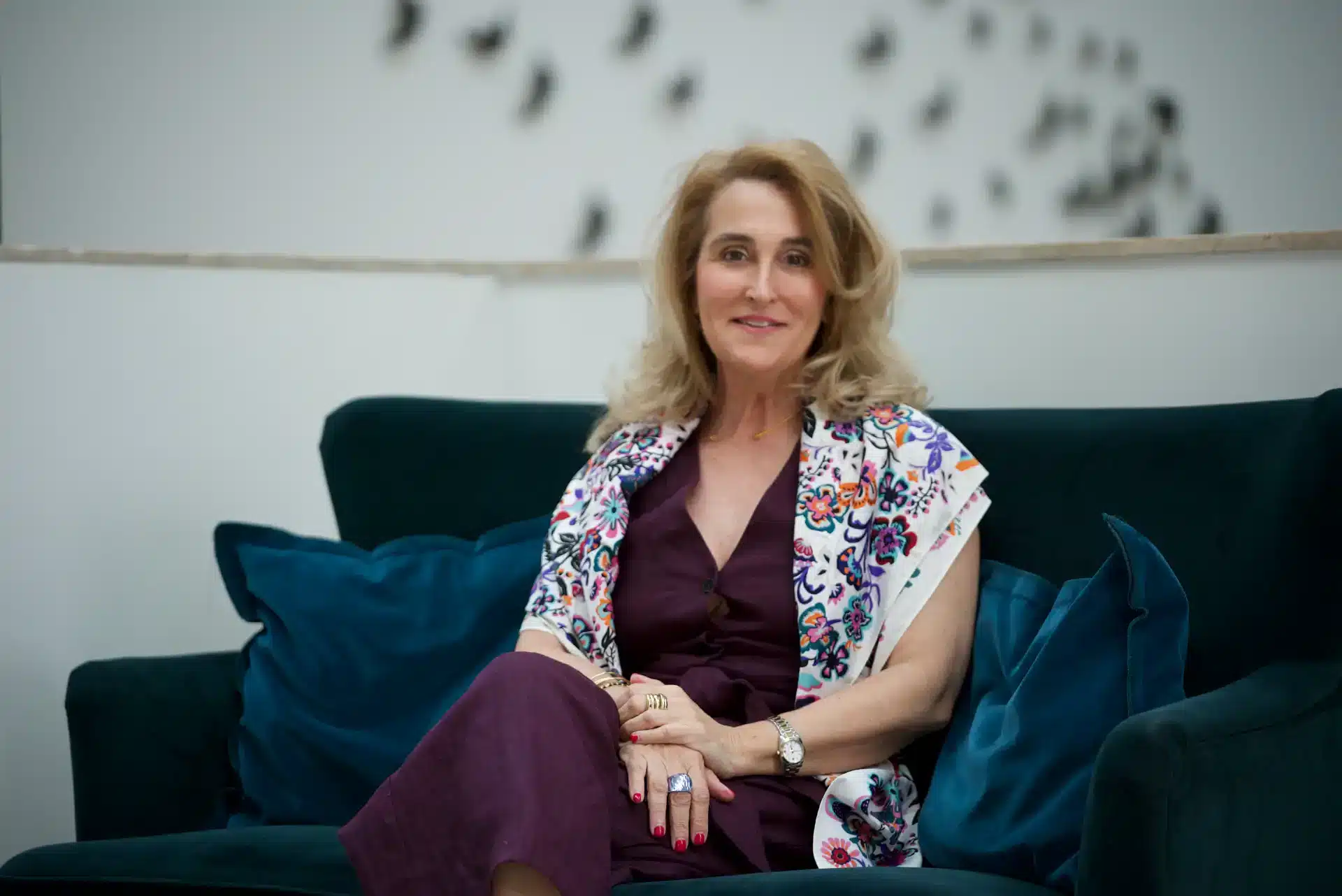
Alexandra Maurício talks about Cascais Opera with the enthusiasm of someone who is at the heart of something that is growing faster than she expected – and who knows exactly where she wants to take it. In three years, the competition has grown from 270 applications to 499, evolving from a local initiative into an international benchmark. But what motivates her, she says, is not the numbers. It is the impact.
“It’s not worth thinking that I have a project with great international ambition if I don’t have my local partners on my side, involved and feeling that they are part of the project,” she says, adding that “working with art and culture is, above all, about impacting people’s education and lives”.
The impact begins at home
The local scope of Cascais Ópera goes far beyond the competition itself. Local suppliers, local accommodation, restaurants from the Cascais and Estoril area – everything is designed so that the project also serves the local economy. But there is one initiative that Alexandra Maurício is particularly pleased with: the partnership with non-profit social solidarity institutions.
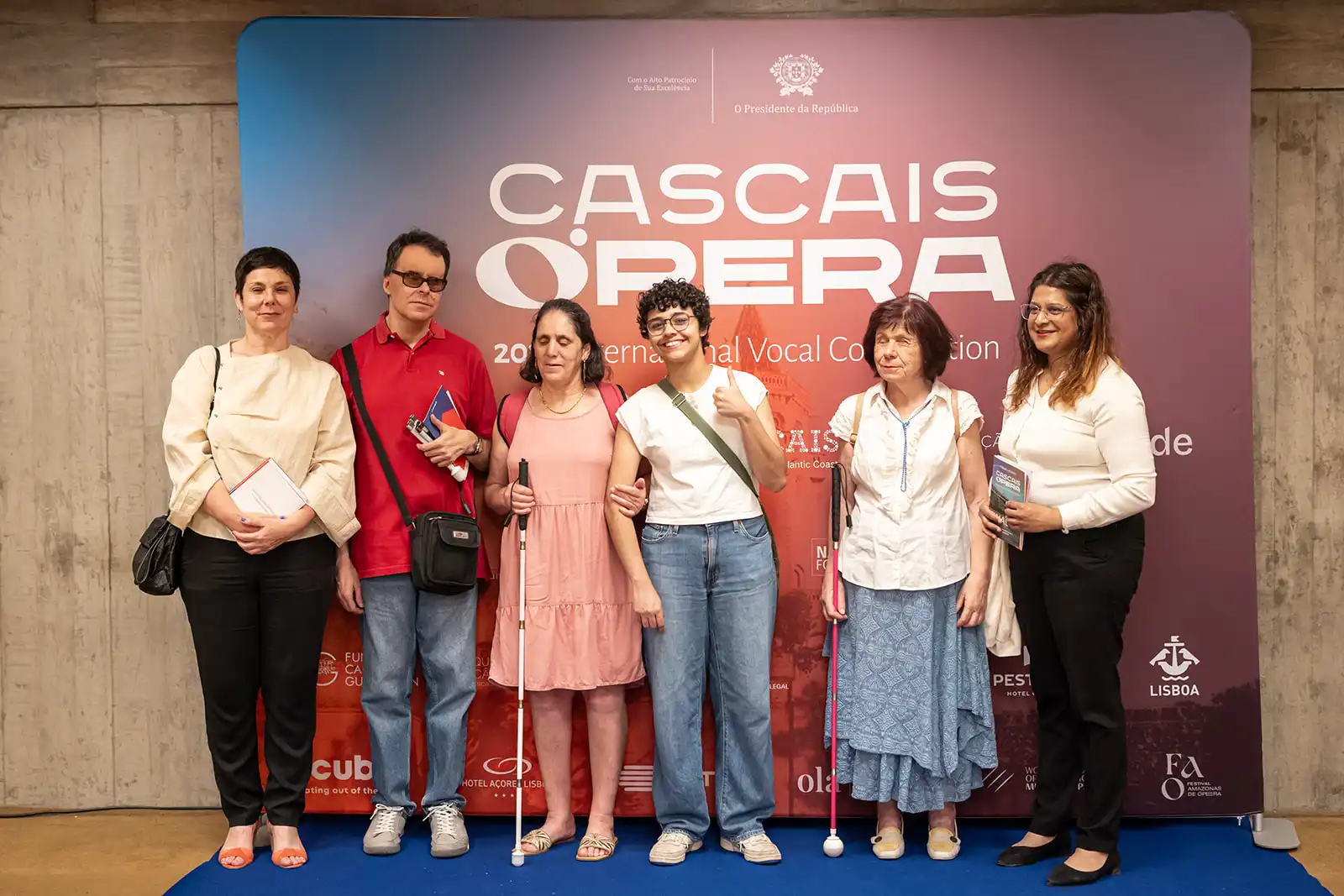
“We started working with the Centro Paroquial do Estoril (Estoril Parish Center) and the Associação Gaivotas da Torre (Gaivotas da Torre Association)”, she explains. “We launched a challenge: use our communication materials – lanyards, tote bags, postcards – and give them a new life”. A circular economy logic that has a deeper dimension than just reusing materials. “We opened the doors to a community that normally thinks opera isn’t for them”. Some of the ladies who participated, she says, had never visited São Carlos. Cascais Opera opened that door.
Portugal on the world opera map
At a national level, Alexandra Maurício is clear: Portugal has the critical mass for much more than a national opera house. “It’s the most complete art form – it encompasses singing, dancing, theatre, new technologies, arts and sciences, in addition to all the music. We have great artists, great musicians. The proof is that we once again have a Portuguese singer in the final this year”.
The network of national partnerships is already extensive – Marvão Music Festival, Opera in the City and at the Academy in Porto, Óbidos Opera Festival, Mafra Music Festival, among others. “That’s what national partnerships are all about. It’s about leveraging what we have and learning from each other”.
Internationally, the numbers speak for themselves – 499 applications from 59 countries in the third edition – but what Alexandra Maurício values most are the networks that are built. Integration into OLA -Opera Latinoamérica, of which Cascais Ópera was the first Portuguese organization to be part. Entry into the World Federation of International Music Competitions after just two years of existence. The partnership with the Manaus Opera Festival that took a South Korean finalist to a month-long residency in Brazil.
And then there are the small signs that indicate it’s working. The opinion questionnaires created for the audience of the first performances – where each spectator is invited to be their own jury – which major directors of international opera houses have asked to take back to their institutions. “We are, after three years of existence, having some ideas here that can be inspiring for others”.
“We were in a meeting in Valencia,” she recounts, “and I heard them say: ‘Ah, there are the ones from Cascais’.” He pauses. “That’s good. We are representing Portugal internationally for the best reasons and in the best way”.