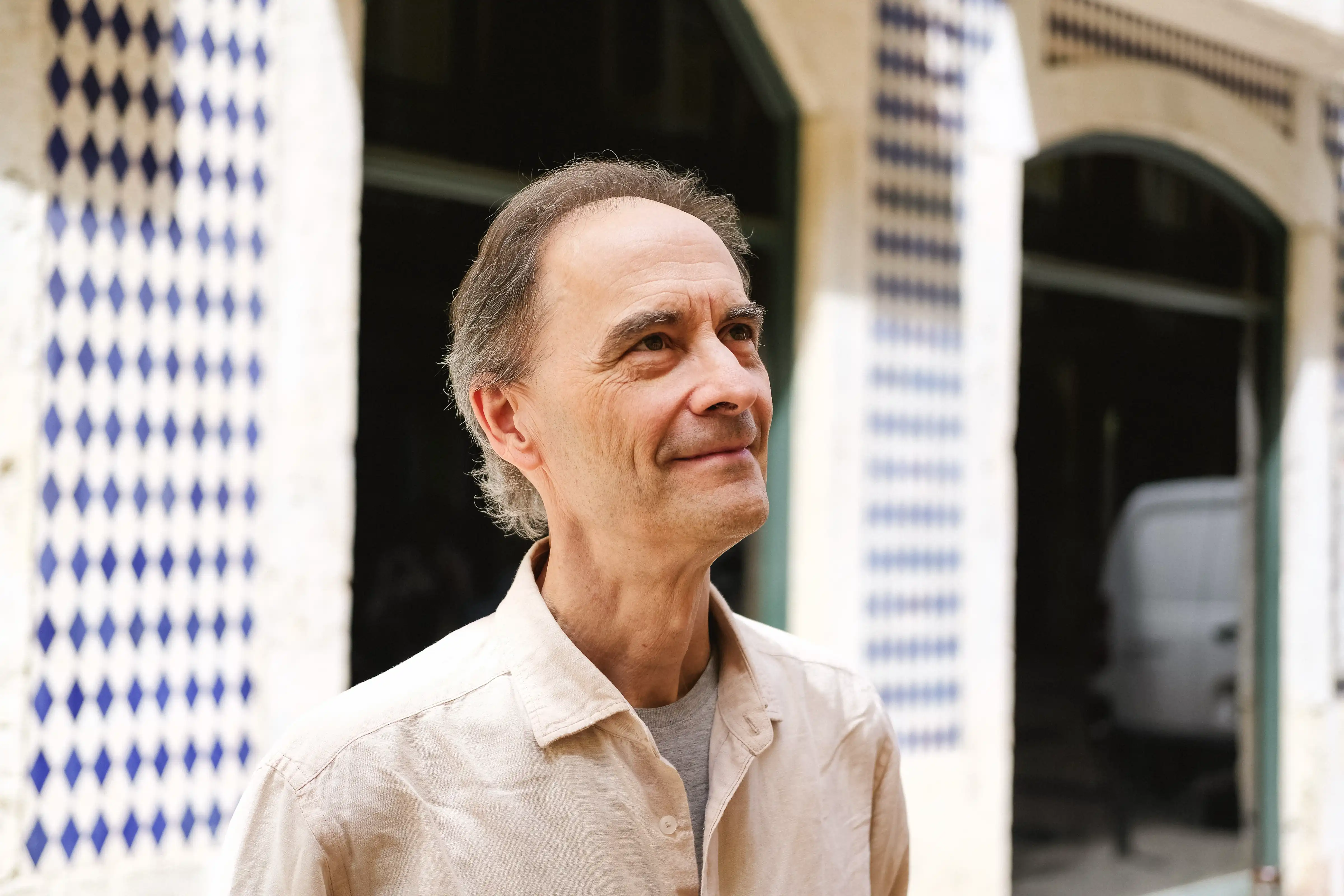
Nelson Rubens Kunze, founder and director of Concerto magazine
Nelson Rubens Kunze founded Concerto magazine in Brazil and has been following the opera scene in the country and around the world for decades. He came to Cascais Opera through a chance encounter: it was at the Amazonas Opera Festival that he met Alexandra Maurício and Adriano Jordão, who told him about the project. “The festival was very new at the time; I think there had only been one edition”, he recalls. This time, he came as a guest to cover the competition for the magazine. And he was impressed.
“I’m surprised by how international the festival has become”, he says. “Candidates from all over the world, of various nationalities, with nearly 500 applications. I found it impressive”. The jury also surprised him – “a true reflection of the very best in opera worldwide, and also very international in character”.
The competition as a platform, not as a final judgement
For Nelson Kunze, competitions are immensely valuable, but you need to know how to interpret them correctly. “A competition is always an opportunity for an artist to take to the stage and perform. This is always a crucial moment in an artist’s development, in terms of being prepared for it”. But it goes far beyond that: the networking, the contacts you make, the conversations that open doors to concerts in other countries.
And there is one point that he considers fundamental. “The competition ultimately amounts to little more than a technical assessment of performance. The artistic quality only becomes apparent over the years”. For this reason, the winner of first prize is not always the one who goes on to have the most distinguished career. “Often you have ten excellent finalists, and the one who wins at that moment is not necessarily the artist who will go on to have the most distinguished career”.
Side events and the wider mission
What sets Cascais Opera apart, says Nelson Kunze, is precisely what happens outside the competition. “The side events are incredibly important. Those who are eliminated still have the opportunity to work with great masters and, in any case, the competition fosters networking; people get to know one another, chat and can organise further concerts in other countries”.
And there is a broader aspect that he appreciates: the masterclasses and concerts open to the public. “The aim of the competition is to raise the profile of opera. It’s a struggle for all of us across the world – to ensure that opera regains a certain relevance, that it once again attracts wider interest, not just from opera lovers or specialists. That it also reaches a wider audience”.