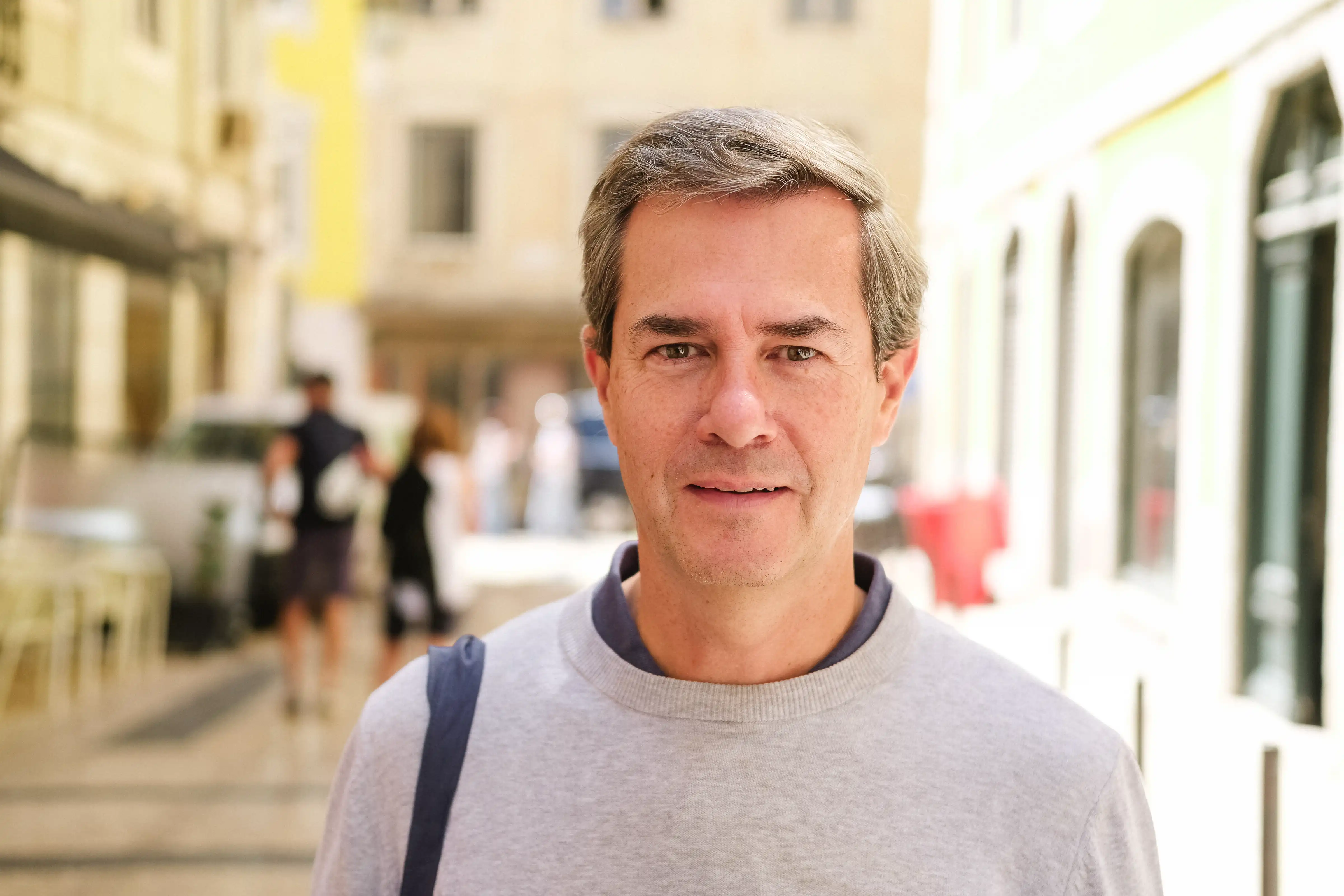
Fernando Sans Rivière, director of Ópera Actual magazine
Fernando Sans Rivière has directed Ópera Actual, a leading opera magazine in the Spanish-language opera world, for over three decades. He has witnessed the birth and consolidation of dozens of international competitions. And when he speaks about the Cascais Opera, he does so with the authority of someone who knows the complete picture, and the clarity of someone who knows how to recognize something different.
“The level I’m seeing is very high”, he says, after watching the Semi-finalists’ Concert. “Almost 500 singers performed, and that demonstrates the number of young people who want to dedicate themselves to opera and the preparation they have”. A level that you emphasize is not uniform. “There are always some who stand out more”, but taken as a whole, it reflects the remarkable state of health of young international opera singing.
What distinguishes this competition
For Fernando Sans Rivière, what makes the Cascais Opera unique is not just the quality of the jury or the internationality of the participants. It’s the philosophy behind the project. “The surprising thing is that it has had very few editions – this is the third edition – but it is working very well, it is attracting many international singers, it has a very important jury and it is holding masterclasses”.
And there lies the key. “This sets it apart from other competitions: it not only listens to young singers in search of the best but also helps them in their training and puts them on a show for the semi-finalists, which doesn’t usually happen in any other competition”. A modality that, according to him, explains precisely why the competition attracts more and more participants.
Education as an end in itself
“A competition isn’t just about one or three singers winning the top three prizes”, he says with conviction. “It trains all the singers, even if they don’t make it to the semi-finals: it allows you to work with pianists, listen to and compare yourself with other young singers like yourself, and get on stage”. All of this, he insists, shapes singers and allows them to grow and become more professional.
Three decades covering the world of opera have taught him that careers aren’t built in a moment. And that the competitions that understand this – that look beyond the podium – are the ones that leave a real mark.