The 20 semi-finalists have now been chosen.
There is a moment at Cascais Ópera when everything comes to a hold. It is the moment when the names are read out loud. For some, it is confirmation that the journey continues. For others, it is the point at which this chapter closes. But, and this is one of the distinctive features of this competition, closing this chapter does not mean leaving empty-handed.
Hearing one’s own name called out in a room is one of the simplest yet most powerful experiences there is. For a singer, it carries special weight: it is confirmation that the voice has reached where it needed to go, that the work of months – of years – has been heard and recognised.
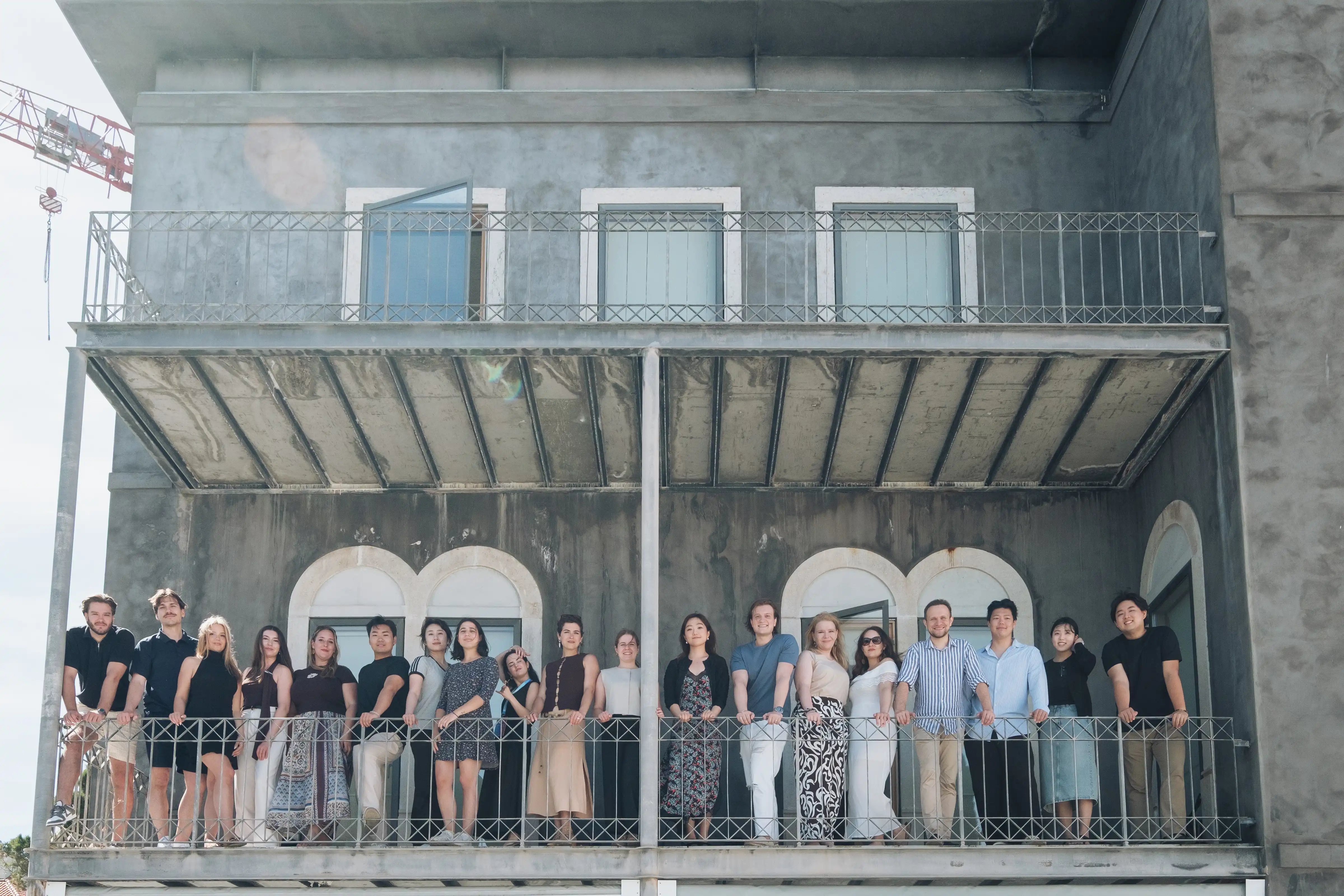
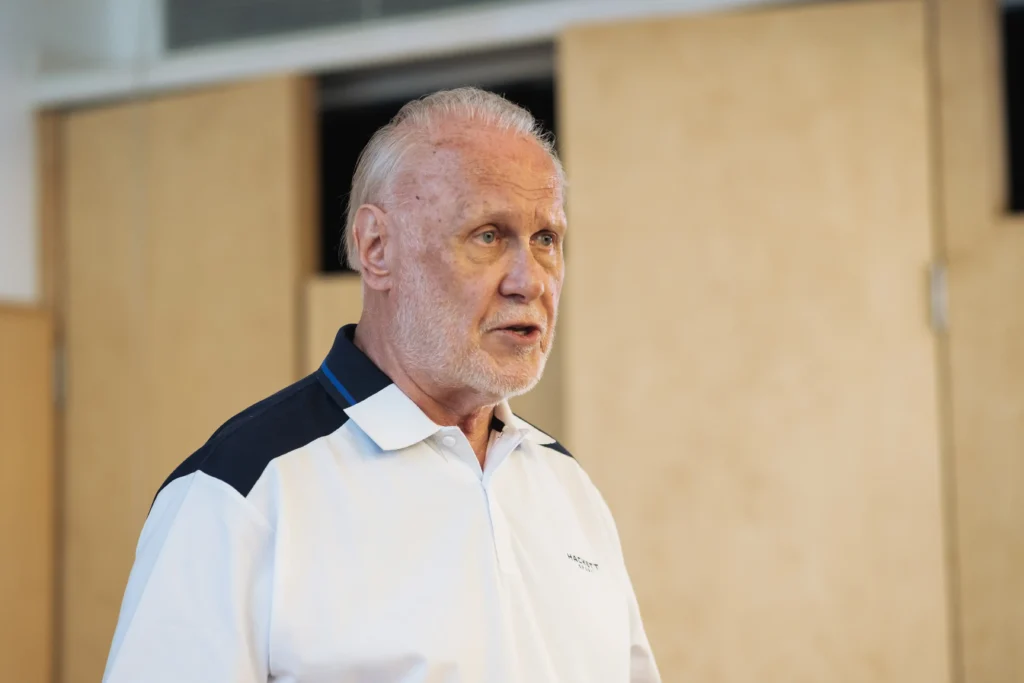
At the end of the third day of Cascais Ópera 2026, following two days of preliminary rounds at the Cascais Conservatory of Music, the names of the semi-finalists were announced by Sergei Leiferkus – baritone, co-founder of the competition and chairman of the jury. Thirty-nine candidates from twenty-five countries took to the stage. Each had fifteen minutes and two arias to show what they can do – and, above all, who they are. Twenty went through to the next round.
Before reading out the names
Before opening the list, Leiferkus addressed the whole room – both those who were about to hear their names called and those who were not. With the composure of someone who has spent decades on stages all over the world, he began with a personal story: that of his wife, who, after holding a driving licence for twenty years, arrived in England and failed the test three times. A mutual friend then told her: “Girl, it means nothing”.
“I say the same to you,” he addressed the candidates. Not making it through to the semi-finals does not mean anything definitive – it does, however, mean a trigger. A starting point for the work of the coming months, weeks, days. The next analogy was that of pilots: after every landing, they meet to analyse what they did, what went well, what needs to change. “Do the same,” he said. “Open the score, sit down and think: what did I do, what do I need to improve, and how”.
The semi-finalists
- Junyoung Choi
- Tomislav Jukić
- Beatriz Maia
- Ljubomir Milanović
- Aleksandra Domashchuk
- Wu Tongyu
- Zhenyu Wang
- Jamal Al Titi
- Seonwoo Lee
- Pia Novak
- Arianna Manganello
- Ana Gvozdenović
- Nikolett Mráz
- Nuri Park
- Junseok Hwang
- Tanja Elisa Glinsner
- Constança Melo
- Katya Semenisty
- Judit Subirana Muntada
- Ihor Mostovoi
For those moving forward
To the twenty who are progressing, Leiferkus was equally blunt: to go through now means having to deliver a fantastic performance. The next round has a different venue, a different audience – and different rules. He reminded them that the audience is first and foremost a spectator and only then a listener: the entrance, the posture, the attire, the body language – everything communicates before the voice is even heard. And the first phrase is decisive. “It’s like when a prima ballerina enters the stage,” he said. “The first arabesque – that’s when the audience decides whether they like it or not.” There is no second chance for a first impression.
He also advised against excessive physical movement – citing the German vocal school, with Fischer-Dieskau as the prime example: “all the expression came from the colour of his voice”. Changing sections in an aria should mean changing colour, intensity and character. Showing what the composer wrote. Being the hero of the story.
The other path… which is also a path
For those whose names were not called out, Cascais Ópera does not end here. From Monday 1 June, these singers will have access to an intensive programme of masterclasses with some of the most renowned experts in European opera.
Juliane Banse and Liliana Bizineche will lead singing masterclasses at the Cascais Cultural Centre and the Conservatoire. Sergei Leiferkus will welcome candidates at the Condes de Castro Guimarães Museum. María Bayo will work in the unique setting of the Paula Rego House of Stories. And Jorge Balça, director and specialist in training singer-actors, focuses on performance – the dimension that separates a good singer from a true performer.
It is a week of training. And it is open to the public – anyone can watch and see what happens when a voice meets someone who knows exactly what needs improving.
Cascais Ópera also aims to establish itself as an academy for these great young talents, and these free masterclasses with outstanding mentors are….
The voices continue.