There are days at Cascais Ópera when there is no competition. There is no jury to judge, no heats, no names being called out. There are only teachers and students – or rather: there are masters and performers-in-training, face to face in a room, working on what the audition revealed and what still has room to grow.
There are days at Cascais Ópera when the focus shifts from competition to learning. There are no rankings or jury decisions. There is time to observe, experiment, delve deeper and grow.
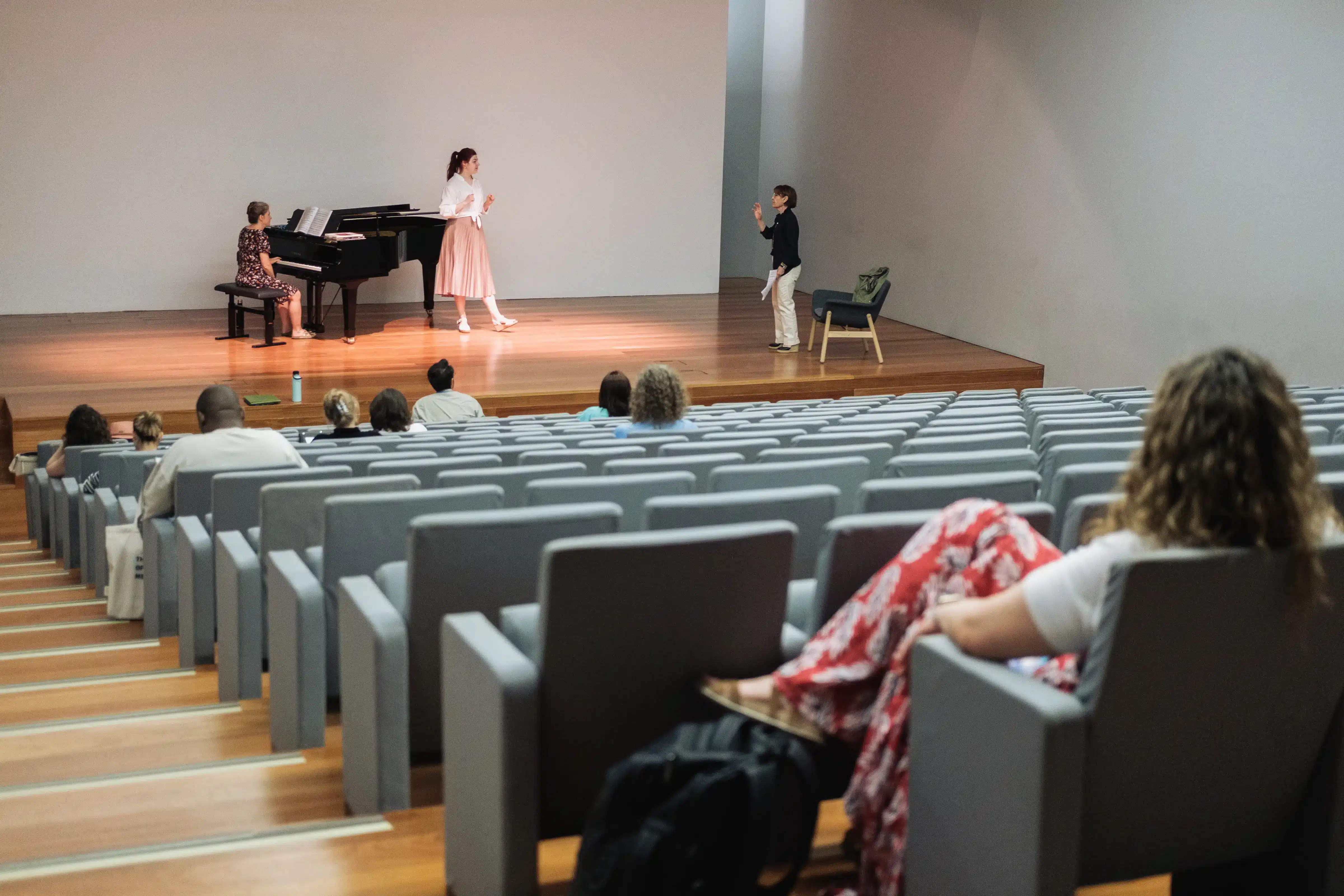
Monday was one of those days. Whilst the semi-finalists continued their artistic preparation, the remaining participants immersed themselves in an intensive programme of masterclasses with some of this year’s most prestigious mentors of Cascais Ópera. It was an opportunity to work on technical and interpretative aspects, receive personalised guidance and explore new perspectives on the art of singing.
Throughout the day, in various venues across Cascais, arias were sung, details were refined, new approaches were tried out and experiences were shared. These were hours of intense work, but also of discovery, inspiration and encounters between artists from different countries, cultures and backgrounds.
Because at Cascais Ópera, every stage counts. And often, it is in these moments of sharing and refinement that the next chapters of an artistic career begin.
Five masters, five rooms, one shared aim
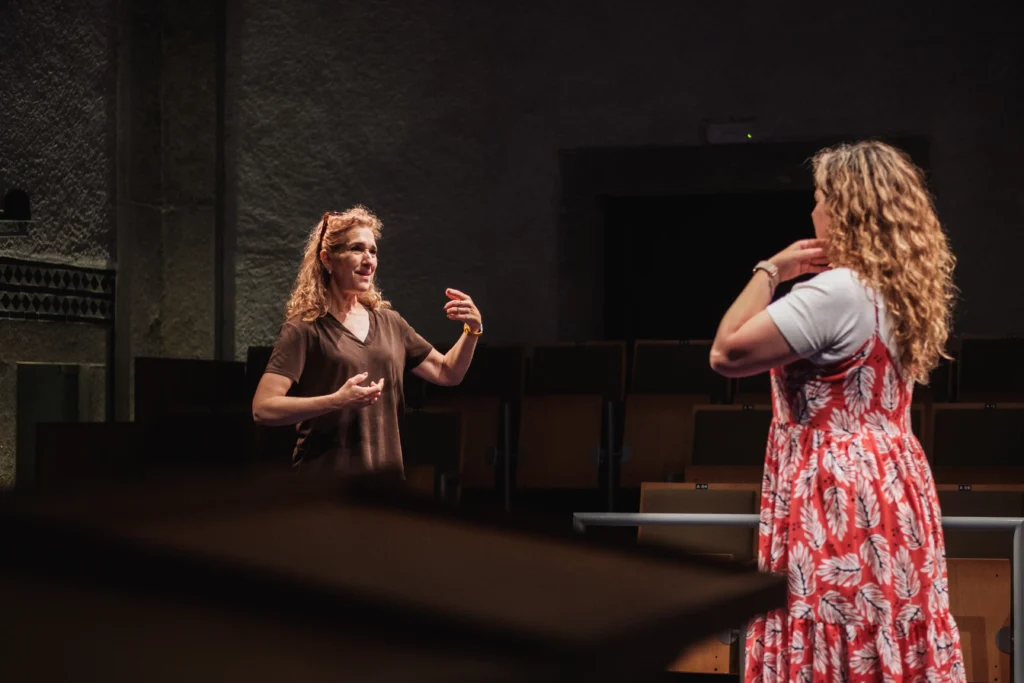
Juliane Banse welcomed her students to the Cascais Cultural Centre. A German soprano of international renown, a professor at the Mozarteum in Salzburg and artistic director of the Marvão Festival, Banse’s career spans from Baroque to Strauss, from Lied to grand opera. In a masterclass, this versatility translates into listening: she hears what is in the voice, but also what lies behind the voice: the intention, the story, the fear. “Singing is like a microcosm”, she said. “It’s not just about showing off the voice – it’s a mental discipline that goes far beyond that”. On what these masterclasses mean for those who did not progress in the competition, she was direct: “The idea is to turn the frustration of no longer being in the competition into something constructive and positive. We’re not here to tell them they’re not good enough. We’re here to help them take something home that will be useful in the work they’ll continue to do”.
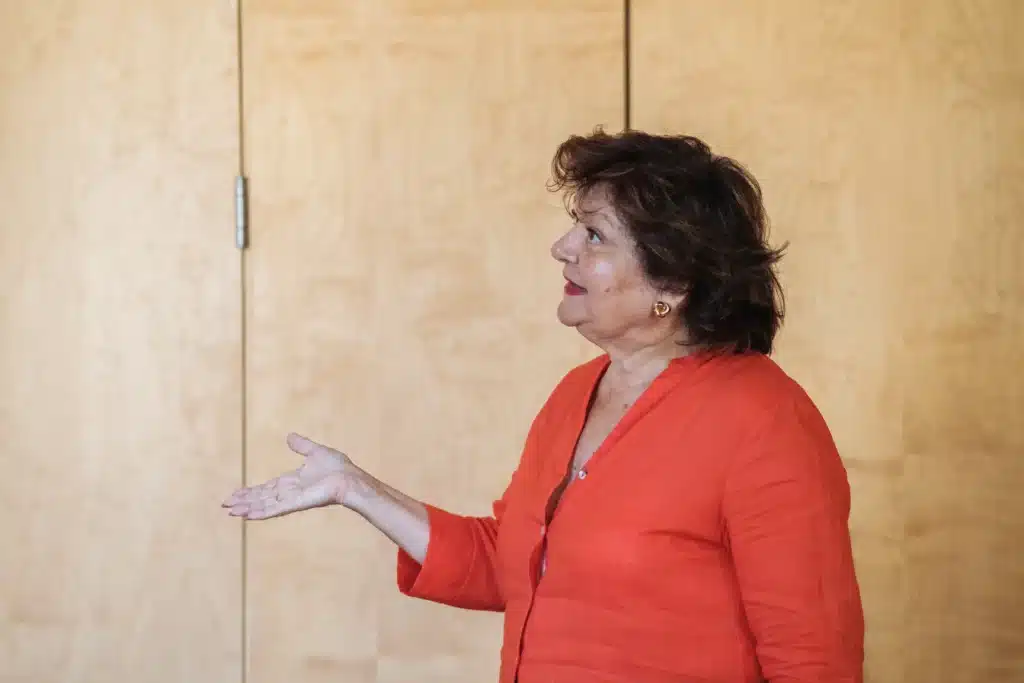
At the Cascais Conservatory of Music, Liliana Bizineche worked with her students with the authority of someone who knows the path from both sides. A prize-winner in ten international competitions – including First Prize from the Calouste Gulbenkian Foundation – she began her international career at the São Carlos National Theatre and studied with Ileana Cotrubas, Elizabeth Schwarzkopf and Regina Resnik. A lecturer at the University of Évora, she knows what it is like to walk into a competition hall with everything you have, and what to do with what remains unsaid.
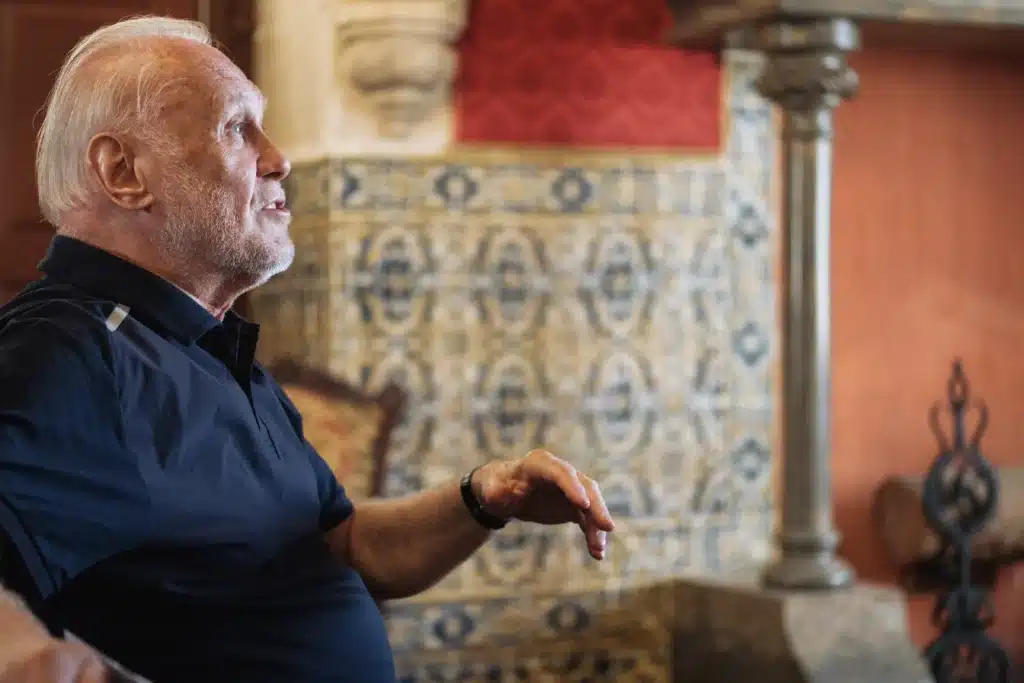
Sergei Leiferkus – baritone, co-founder of Cascais Opera and chairman of the jury who, two days earlier, had announced the semi-finalists – welcomed the candidates at the Condes de Castro Guimarães Museum. He is one of the great baritones of the second half of the 20th century, with a career built at Covent Garden, the Met, La Scala and in Salzburg. But in masterclasses, what matters is not the stage from which one comes, but what one manages to convey in a direct, honest conversation between those who know and those who want to know.
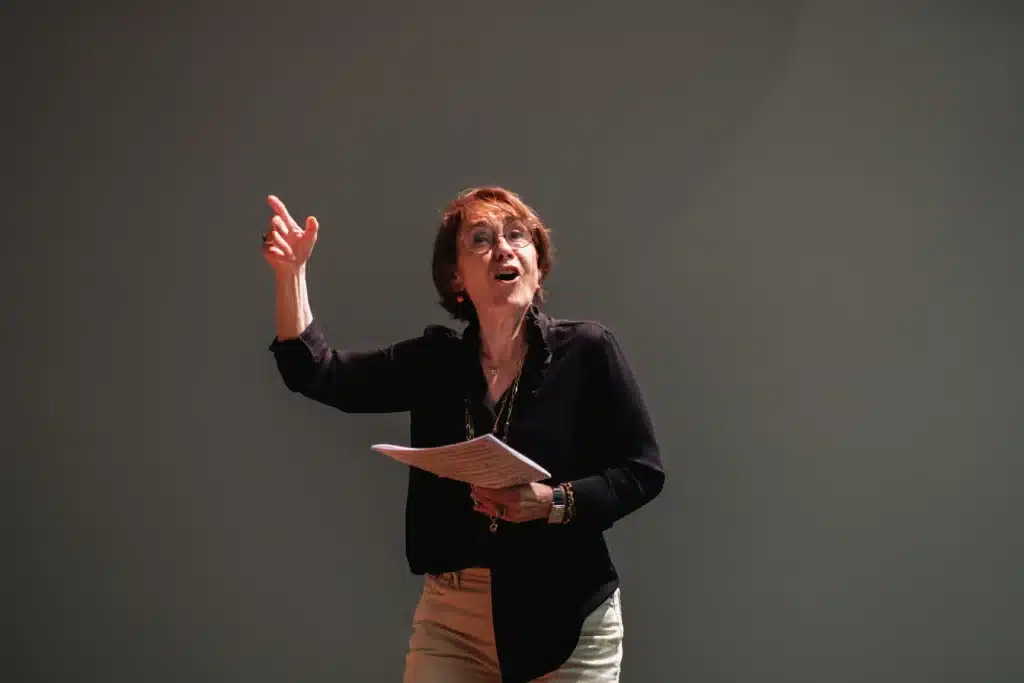
At the Paula Rego House of Stories, María Bayo worked on singing with a group of candidates in a space that is, in itself, an artistic statement. A Spanish soprano with over 70 roles in her repertoire, ranging from Baroque to zarzuela, and the recipient of the National Music Prize and the Ordre des Arts et des Lettres, Bayo is one of the Iberian voices with the greatest international renown. Her masterclass was also a lesson on identity, on how a voice finds its place in the world.
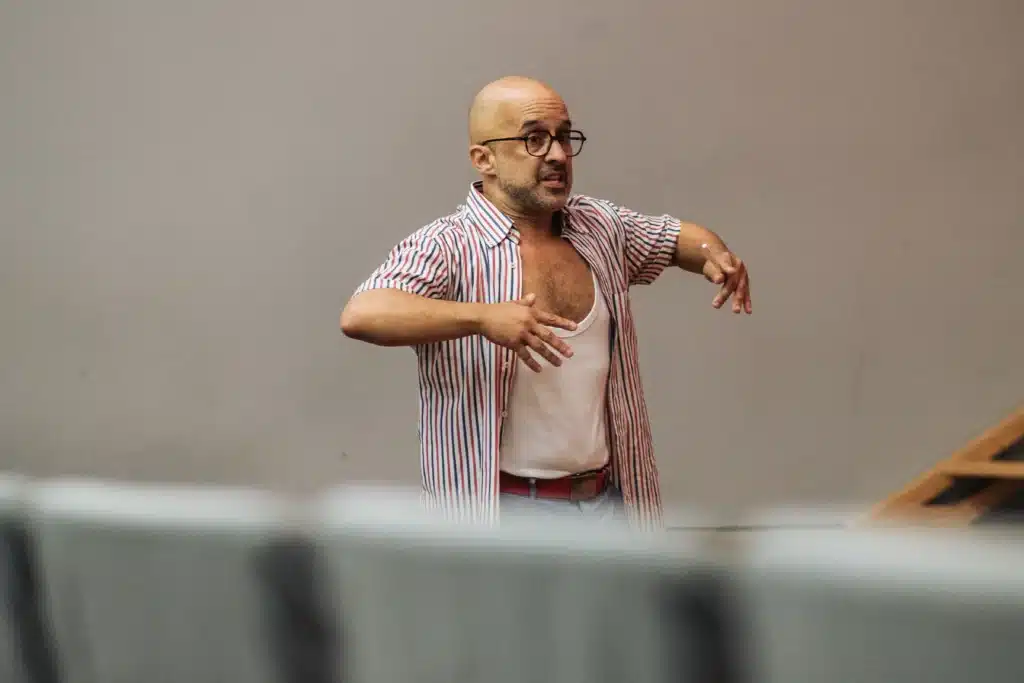
At the same Casa das Histórias, Jorge Balça focused on interpretation: the realm where the voice meets the body, and where the singer becomes an actor. A director and teacher with decades of experience working in Lisbon, London and Amsterdam, Balça holds a PhD on the dramatic training of opera singers. What he teaches is not vocal technique: it is presence. It is the difference between being on stage and inhabiting a stage.
What remains after a masterclass
Masterclasses are one of the central features of Cascais Ópera. More than just a competition, the project aims to be a platform for training and artistic development, offering all participants learning experiences that may shape their future careers.
Because a masterclass achieves something that few experiences can: it places a young singer before someone who has already walked the path, and who is willing to say, with precision, candour and respect, what is working and what needs to change.
It is personalised training. It is individual attention. It is the kind of encounter that is often remembered for years to come: the phrase that stuck, the exercise that opened something up, the look from a master who said “yes, that’s it” or “no, try again”.
Cascais Ópera was conceived as a springboard. And yesterday it became clear that the springboard is not just the stage for the final – it is also these smaller rooms, these more intimate conversations, this work that has no audience, but which perhaps has the most lasting impact of the whole week.
The voices continue.